
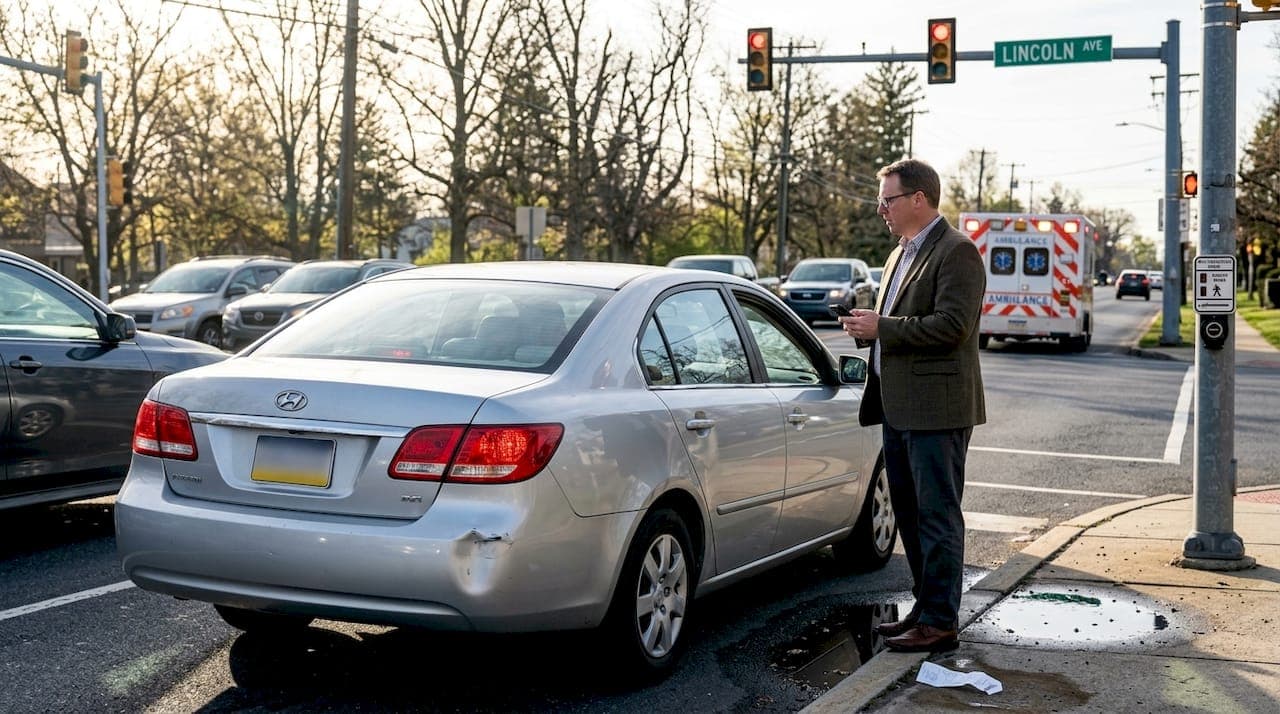
A car accident can turn an ordinary Tuesday into the most disorienting day of your life. Within seconds, you're dealing with shock, property damage, potential injuries, and a flood of decisions you never prepared for. Most Pennsylvanians have no idea what their legal rights actually are in that moment, and that gap in knowledge costs them. This guide walks you through the most critical legal steps after a crash in Pennsylvania, from what to do at the scene to knowing when to call an attorney, so you can protect yourself and recover what you're owed.
Table of Contents
- Assess the scene and prioritize safety
- Know your rights and responsibilities under Pennsylvania law
- Notify your insurance and begin the claims process
- Understand compensation: Damages and recovery options
- When to get legal help and choosing the right attorney
- Why quick and informed action makes all the difference
- Get trusted help for your accident case
- Frequently asked questions
Key Takeaways
| Point | Details |
|---|---|
| Document everything | Collecting detailed evidence at the scene is critical for a successful claim. |
| Know your rights | Understanding Pennsylvania accident laws protects you from common pitfalls. |
| Act quickly | Timely reporting and insurance notifications are essential for recovery. |
| Seek legal help | Getting an experienced attorney early greatly improves your outcomes. |
| Don’t accept lowball offers | Always review settlement offers with legal or expert advice before agreeing. |
Assess the scene and prioritize safety
Your first few minutes after an accident set the tone for everything that follows legally. Before you think about insurance or attorneys, focus on safety and evidence. These two things are deeply connected.
Here's what to do immediately:
- Move vehicles out of active traffic if it's safe and the cars are drivable
- Call 911, even if the accident seems minor
- Check yourself and all passengers for injuries before exiting the vehicle
- Turn on your hazard lights to alert other drivers
- Stay calm and avoid confrontation with the other driver
Documenting the accident scene helps preserve crucial evidence for any insurance or legal claims. This means photos, and lots of them. Capture every vehicle from multiple angles, the road conditions, skid marks, traffic signals, and any visible injuries. Get the names and contact information of witnesses before they leave.
Pro Tip: Take photos before anyone moves the vehicles if it's safe to do so. Courts and insurance adjusters rely heavily on physical evidence, and a clear photo of the final resting positions of both cars can tell a story no witness can.
"The scene itself is your first and most important piece of evidence. Once it's cleared, that evidence is gone forever."
Pennsylvania law requires you to stop at the scene of any accident involving injury, death, or property damage. Leaving the scene can result in criminal charges, regardless of who caused the crash. According to NHTSA accident safety guidance, proper scene management after a crash dramatically reduces secondary incidents and supports cleaner legal outcomes.
Know your rights and responsibilities under Pennsylvania law
Once safety and documentation are handled, it's crucial to understand your rights and legal obligations. Pennsylvania has specific rules that apply to every driver involved in a crash.
Here's what the law requires of you:
- Stop immediately and remain at the scene
- Provide your name, address, vehicle registration, and insurance information to the other driver
- Render reasonable aid to anyone injured, which may include calling for emergency medical help
- File a report with the Pennsylvania Department of Transportation if the accident caused injury, death, or significant property damage
Filing a report and exchanging information is required by Pennsylvania law in most accident scenarios. Ignoring this obligation can lead to license suspension or criminal penalties.
One of the most important things to understand is Pennsylvania's unique "choice no-fault" insurance system. When you buy auto insurance in Pennsylvania, you choose between "limited tort" and "full tort" coverage. Limited tort restricts your right to sue for pain and suffering unless injuries meet a serious threshold. Full tort preserves your full right to sue. This choice, made long before any accident happens, significantly affects your legal options afterward. The Pennsylvania accident requirements page from PennDOT outlines reporting obligations in full.
Never admit fault at the scene. Even a casual "I'm sorry" can be used against you in court or by an insurance adjuster.
You also have a two-year statute of limitations to file a personal injury lawsuit in Pennsylvania. However, insurance notification deadlines can be much shorter. The recovery guide for Pennsylvanians outlines these timelines clearly so you don't miss a critical window.

Notify your insurance and begin the claims process
Once you know your legal rights, the next step is addressing the insurance process. Many people delay this and pay a steep price for it.
Follow these steps to get your claim started correctly:
- Contact your insurance company within 24 hours of the crash, or as soon as you're physically able
- Provide only factual, objective information. Stick to what happened, not who you think was at fault
- Request a claim number and get the adjuster's contact information in writing
- Keep a written log of every conversation you have with insurers, including dates and what was said
- Submit all documentation, including photos, police report numbers, and medical records, as quickly as possible
Failing to notify your insurer promptly may jeopardize your claim entirely, even if the accident wasn't your fault. Most policies include a "prompt notification" clause, and violating it gives the insurer grounds to deny coverage.
Pro Tip: Never accept an early settlement offer without having an attorney review it first. Insurance companies often extend quick, low offers to resolve claims before you understand the full extent of your injuries or damages. What feels like fast money can leave you thousands short.
According to insurance claim advice from the Insurance Information Institute, claimants who document thoroughly and follow up consistently receive faster and more favorable resolutions. Review the essential post-accident actions page for a complete checklist tailored to Pennsylvania drivers.
Understand compensation: Damages and recovery options
With a claim underway, it's essential to know what types of compensation you're entitled to seek. Many accident victims leave money on the table simply because they didn't know what to ask for.
Compensation in Pennsylvania auto accident cases generally falls into these categories:
- Medical expenses: Hospital bills, surgery, rehabilitation, medication, and future medical needs
- Lost wages: Income you couldn't earn while recovering, including future earning capacity if injuries are permanent
- Property damage: Repair or replacement of your vehicle and any personal property damaged in the crash
- Pain and suffering: Physical pain, emotional distress, and reduced quality of life
- Out-of-pocket costs: Transportation to medical appointments, home care, and similar expenses
Damages may include medical bills, lost wages, pain and suffering, and more, depending on your policy and the accident facts.
Here's a quick breakdown of Pennsylvania's minimum auto insurance requirements and PIP limits:
| Coverage type | Minimum required | Notes |
|---|---|---|
| Bodily injury liability | $15,000 per person / $30,000 per accident | Covers injuries you cause to others |
| Property damage liability | $5,000 per accident | Covers damage to others' property |
| First party benefits (PIP) | $5,000 minimum | Covers your own medical costs regardless of fault |
| Uninsured motorist | Optional but recommended | Protects you if the other driver has no coverage |
Pain and suffering are evaluated based on injury severity, duration, and impact on daily life. Pennsylvania courts may use a "multiplier" method, where your economic damages are multiplied by a factor (usually 1.5 to 5) depending on how serious your injuries are. Review the Pennsylvania damages overview for more context on how courts calculate these amounts.
Pro Tip: Keep every receipt, every medical record, and every piece of correspondence related to your accident. Detailed records directly support higher compensation across every damage category, especially non-economic ones like pain and suffering.
For deeper guidance on building the strongest possible claim, the personal injury rights resource is worth reviewing.
When to get legal help and choosing the right attorney
Now that you understand compensation, the next question is whether to manage your claim yourself or seek legal help. In many cases, the answer is straightforward: get an attorney.
You should strongly consider hiring a lawyer if:
- You or a passenger suffered serious injuries requiring hospitalization or surgery
- Liability is disputed and the other driver or their insurer is blaming you
- Your claim has been denied or significantly undervalued
- You're dealing with an uninsured or underinsured driver
- A government vehicle or commercial truck was involved
Hiring a lawyer early improves your chances for fair compensation and avoids procedural mistakes. Many people hesitate because they assume attorneys are too expensive, but most personal injury attorneys in Pennsylvania work on a contingency fee basis, meaning you pay nothing unless you win.
| Factor | Handling claim alone | With an attorney |
|---|---|---|
| Knowledge of PA law | Limited | Comprehensive |
| Negotiating leverage | Low | High |
| Risk of errors | High | Low |
| Settlement outcome | Often lower | Typically higher |
| Stress level | High | Managed |
When choosing an attorney, look for experience with Pennsylvania auto accident cases specifically, a clear fee structure with no hidden costs, and verifiable results. Common myths about injury claims often discourage people from seeking help, including the false belief that only "serious" accidents warrant legal representation.
Pro Tip: Ask during your first call whether the consultation is free and what documents to bring. A prepared first meeting saves time and helps your attorney assess your case faster. Learn more about pursuing injury justice to understand what to expect from the legal process.
Review this guide on when to hire a lawyer for additional criteria to help you decide.
Why quick and informed action makes all the difference
Here's something most accident articles won't tell you directly: the biggest barrier to a successful recovery isn't the other driver's fault or your insurer's tactics. It's inaction.
We've seen too many Pennsylvanians wait weeks to speak with an attorney, assuming their case isn't "serious enough" or that things will work out on their own. By the time they do seek help, witnesses have forgotten key details, photos have been lost, and the insurance company has already shaped the narrative in its favor.
Hesitating to act or relying on misinformation often results in lost compensation that can never be recovered. Evidence degrades fast. Witness memories fade within days. And insurance adjusters are trained to close files quickly, often before you fully understand your injuries.
The two-year statute of limitations sounds long, but it creates a false sense of security. The critical window is really the first two to four weeks after a crash, when evidence is fresh, medical evaluations are timely, and legal strategy can be built from a position of strength. Acting fast doesn't mean rushing into a settlement. It means getting informed, getting organized, and getting the right people in your corner before the other side establishes its advantage.
Get trusted help for your accident case
If you're sorting through these decisions right now, you don't have to do it alone.

At Attorney Sean Quinlan, we provide legal help for auto accidents across multiple Pennsylvania counties, offering free consultations and straightforward case evaluations. Whether you're dealing with a disputed claim, a denied settlement, or simply trying to understand your options, we're here to guide you. We also provide personal injury legal support for a range of injury situations beyond auto accidents. Don't let confusion or delay cost you the compensation you deserve. Reach out today and take the first step toward a real recovery.
Frequently asked questions
What should I do immediately after a car accident in Pennsylvania?
Move to safety, call the police, and document the accident scene thoroughly before exchanging information with all involved parties. Quick, organized action at the scene protects your legal rights from the start.
When is it necessary to contact a personal injury attorney?
Contact an attorney if you've been seriously injured, liability is unclear, or your claim is denied. Hiring an attorney early can improve outcomes and prevent costly mistakes that are difficult to undo later.
How long do I have to file an accident claim in Pennsylvania?
You generally have two years to file a personal injury lawsuit, but insurance notification deadlines may be much shorter. Time limits are strict and missing a deadline can permanently bar your recovery.
What types of compensation are available after a car accident?
You may be eligible for medical bills, lost wages, property damage, and pain and suffering, depending on your case. Compensation includes various damage categories that vary based on your insurance coverage and the specific facts of the crash.
Should I speak with the other driver's insurance company?
It's best to limit direct communication and consult an attorney before making any statements or accepting offers. Mistakes in dealing with insurers can significantly harm your claim and reduce the compensation you ultimately receive.
Recommended
- PA auto accident recovery guide: protect yourself now
- Auto Accidents in Pennsylvania: Know Your Rights and How to Protect Them — Attorney Sean Quinlan
- What to Do After a Car Accident: Essential Steps for Protecting Your Rights — Attorney Sean Quinlan
- What to Do After an Auto Accident: Protecting Your Rights — Attorney Sean Quinlan
- Key steps after a car accident: protect your rights