

If you've been hurt in a Pennsylvania accident, one of the first questions you'll ask is: what is my claim actually worth? The honest answer is that no two cases are identical, and the numbers can vary wildly. A minor fender-bender might settle for a few thousand dollars, while a serious tractor-trailer crash can result in a seven-figure verdict. Understanding what drives those differences, and seeing real examples, puts you in a much stronger position. This article breaks down compensation ranges by case type, walks through illustrative scenarios, and explains the specific factors that push settlements higher or lower.
Table of Contents
- Understanding personal injury compensation in Pennsylvania
- Common types of personal injury cases and compensation ranges
- Real-world personal injury compensation examples in Pennsylvania
- Key factors that can impact your compensation
- Why most compensation articles miss the real picture (and how you can do better))
- Get help maximizing your Pennsylvania injury compensation
- Frequently asked questions
Key Takeaways
| Point | Details |
|---|---|
| Most cases settle | Over 95% of Pennsylvania injury cases are resolved through settlement, not trial. |
| Compensation varies | Case value depends on injury severity, liability, and preparation. |
| Preparation matters | Gathering evidence and preparing your claim as if for trial can significantly raise your payout. |
| Expert help pays off | Working with an attorney usually leads to higher compensation amounts. |
Understanding personal injury compensation in Pennsylvania
Personal injury compensation is the money paid to someone who suffers harm because of another person's or company's negligence. In Pennsylvania, that payment typically covers three categories of loss:
- Medical expenses: Hospital bills, surgery costs, physical therapy, and future medical care
- Lost wages: Income you missed while recovering, plus reduced earning capacity if the injury is permanent
- Pain and suffering: Compensation for physical pain, emotional distress, and reduced quality of life
Most claims start with an insurance company. You file a claim, the insurer investigates, and both sides negotiate a settlement. If no agreement is reached, you file a lawsuit. Even then, more than 95% of cases settle before trial, which means the courtroom is rarely the final destination. But here is the key insight: the threat of trial is what gives you leverage.
Several factors shape how much you can realistically expect. Severity of the injury matters most. A broken arm heals; a spinal cord injury may not. Liability clarity also plays a huge role. If the other driver ran a red light and there is video proof, your position is strong. If fault is disputed, your payout may shrink. Insurance policy limits cap what you can collect from that specific policy, regardless of your actual losses.
You can learn more about your rights in PA personal injury claims before you take any steps with an insurer.
Pro Tip: Even if you plan to settle, prepare your case as if it is going to trial. Attorneys and insurers both know that a well-documented case ready for court consistently produces higher settlement offers.
For a broader look at pursuing compensation in Pennsylvania, reviewing the full process early will help you avoid common mistakes that reduce your payout.
Common types of personal injury cases and compensation ranges
Now that we've explained what compensation means, let's see real examples and ranges for different case types. Pennsylvania sees thousands of personal injury claims every year, and the type of accident matters a great deal when estimating value.
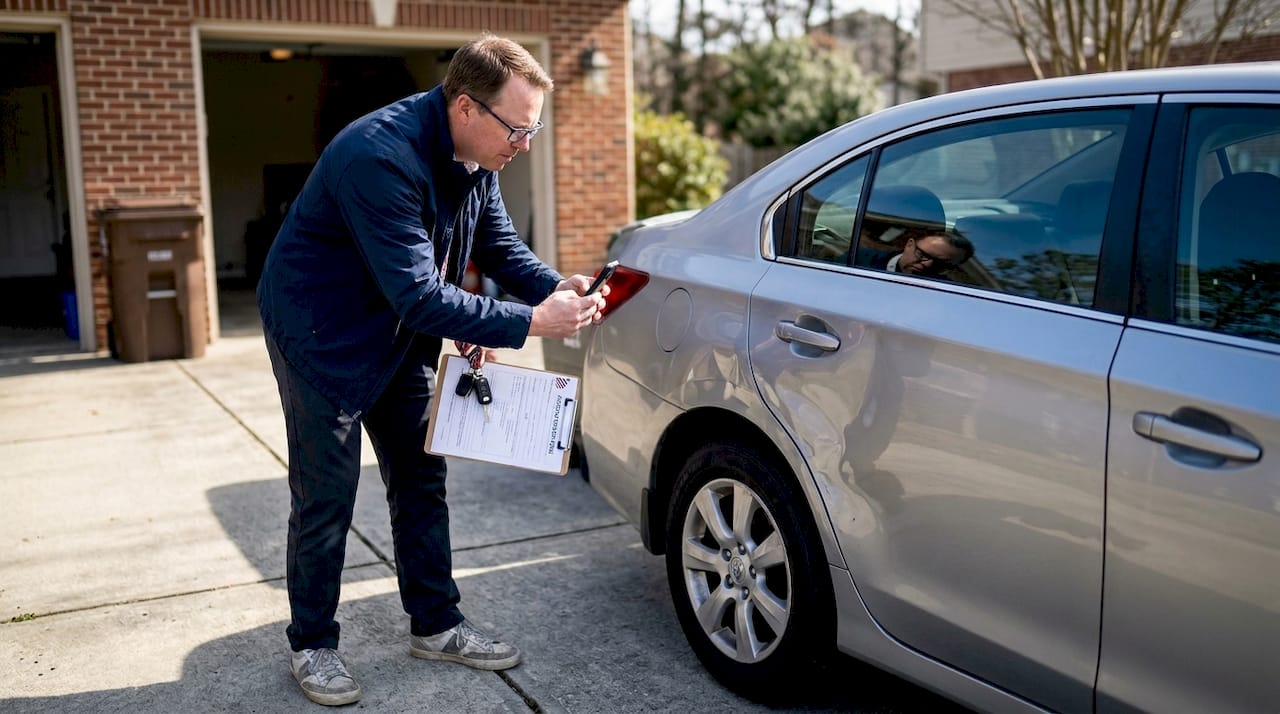
Auto accidents are the most common. Minor soft-tissue injuries like whiplash typically settle between $3,000 and $15,000. Moderate injuries involving broken bones or disc damage often land in the $50,000 to $200,000 range. Permanent or catastrophic injuries can push settlements and verdicts above $1 million. Understanding your auto accidents rights from day one protects your ability to recover the full amount.
Slip and fall cases typically settle between $10,000 and $85,000, though serious falls causing long-term disability can go much higher. The key variable is whether the property owner clearly knew about the hazard.
Medical malpractice cases are among the most complex and expensive to litigate. Many Pennsylvania verdicts exceed $250,000, and catastrophic cases involving birth injuries or surgical errors can reach into the millions.
Tractor-trailer collisions almost always involve serious injuries and multiple liable parties. Settlements routinely exceed $100,000, and cases involving permanent disability or wrongful death can reach several million dollars. The tractor trailer injury guide explains why these cases are handled differently from standard auto claims.
Compensation range data from Pennsylvania verdict databases confirms these ranges vary widely based on injury type and case facts.
| Case type | Injury severity | Example settlement range |
|---|---|---|
| Auto accident | Minor (whiplash) | $3,000 to $15,000 |
| Auto accident | Moderate (fractures) | $50,000 to $200,000 |
| Auto accident | Catastrophic | $500,000 to $1 million+ |
| Slip and fall | Moderate | $10,000 to $85,000 |
| Medical malpractice | Serious | $250,000 to $1 million+ |
| Tractor-trailer crash | Catastrophic | $100,000 to $5 million+ |
Familiarizing yourself with the glossary of PA injury terms helps you understand exactly what attorneys and insurers mean when they discuss your claim.
Real-world personal injury compensation examples in Pennsylvania
Having seen the ranges by case type, let's look at actual example cases to see how those numbers play out. These are illustrative scenarios based on the kinds of outcomes documented in Pennsylvania case records.
-
Minor rear-end collision, whiplash: A driver stopped at a red light was struck from behind. She experienced neck pain and attended six weeks of physical therapy. Medical bills totaled $4,200. The case settled for $8,000. The relatively low number reflects the short recovery time and lack of permanent injury.
-
Pedestrian hit in crosswalk, broken leg: A man crossing a marked intersection was struck by a driver who ran a stop sign. He suffered a fractured tibia requiring surgery and missed three months of work. The case settled for $92,000, reflecting clear liability, documented lost wages, and surgical costs.
-
Slip and fall in a retail store, long-term disability: A woman slipped on an unmarked wet floor and suffered a severe knee injury requiring two surgeries. She was unable to return to her previous job. The case settled for $275,000, driven by strong evidence that the store knew about the hazard and failed to act.
-
Tractor-trailer crash, spinal injury: A passenger vehicle was sideswiped by a commercial truck on I-78. The driver sustained a herniated disc requiring spinal fusion and was permanently disabled. After trial, the jury awarded $1.2 million, including future medical costs and lost earning capacity.
VerdictSearch case details for comparable Pennsylvania injuries show that documentation quality and liability clarity are the two biggest differentiators between low and high outcomes.
| Example scenario | Key factors | Result |
|---|---|---|
| Whiplash, rear-end | Short recovery, no permanency | $8,000 |
| Broken leg, crosswalk | Clear fault, surgery, lost wages | $92,000 |
| Slip and fall, disability | Store negligence proven, long-term harm | $275,000 |
| Spinal injury, truck crash | Permanent disability, trial verdict | $1.2 million |
Pro Tip: Insurance companies track prior verdicts and settlements in your region. When you document your injuries thoroughly, you create a record that forces adjusters to compare your case to higher-value outcomes.
If you want to maximize a compensation award, starting that documentation process on day one is the single most impactful step you can take.
Key factors that can impact your compensation
After reviewing sample outcomes, it's clear that certain factors repeatedly influence how much claimants receive. Understanding these levers helps you take action rather than simply waiting for an offer.
- Severity and permanence of injury: Permanent injuries, surgeries, and long-term disabilities consistently produce higher awards than injuries that heal fully within months.
- Quality of evidence: Medical records, imaging results, witness statements, surveillance footage, and police reports all strengthen your position.
- Comparative fault: Pennsylvania follows a modified comparative negligence rule. If you are found 30% at fault, your award is reduced by 30%. If you are more than 50% at fault, you recover nothing.
- Insurance policy limits: Even a strong case is capped by the at-fault party's coverage unless you pursue additional sources like your own underinsured motorist coverage.
- Attorney representation: Studies and case data consistently show that represented claimants recover more than those who negotiate alone.
"Cases prepared for trial tend to settle for more. When an insurer sees a well-organized file with clear liability and documented damages, the math changes in your favor."
Thorough preparation and documentation can meaningfully increase the value of your claim, according to case outcome data.
The most actionable step you can take right now is to follow structured accident response steps immediately after an injury occurs. Every day of delay makes evidence harder to collect and memories harder to verify.
Why most compensation articles miss the real picture (and how you can do better)
Here is something worth saying plainly: online compensation calculators and settlement average charts are nearly useless for predicting your specific outcome. They give you a number that feels concrete, but it is built on averages that ignore your actual case details.
What actually moves the needle is preparation. We have seen cases where thorough documentation, a clear liability timeline, and early legal consultation turned a $30,000 opening offer into a $180,000 settlement. The difference was not luck. It was the quality of the file.
Most articles tell you what settlements look like. Fewer tell you that you have real control over where your case lands within that range. You can influence the outcome by acting quickly, keeping detailed records of every medical visit and expense, and refusing to accept the first offer without legal review.
Understanding your knowing your rights under Pennsylvania law is not just background knowledge. It is a practical tool that changes how you respond to insurers from the very first phone call.
Do not let a settlement chart make your decisions. Let your evidence do that.
Get help maximizing your Pennsylvania injury compensation
Knowing the ranges is useful. Knowing how to position your specific case within those ranges is what actually matters. That is where experienced legal guidance makes a measurable difference.

Attorney Sean Quinlan and his team at pennsylvaniadui.attorney work directly with injured Pennsylvanians to evaluate case value, gather the right evidence, and negotiate from a position of strength. Whether you are dealing with personal injury law support after a slip and fall or need legal help for auto accidents following a serious crash, the team is ready to guide you through every step. Consultations are available, and the earlier you reach out, the more options you have.
Frequently asked questions
What is the average settlement for a personal injury case in Pennsylvania?
Most settlements range from a few thousand dollars for minor injuries to well over $100,000 for serious cases, but compensation ranges vary significantly based on injury severity, liability, and evidence quality.
How long does it take to receive personal injury compensation?
Many cases resolve within 6 to 18 months, though complex claims or those requiring trial can take considerably longer. Since 95% or more of cases settle before trial, most claimants avoid the longest timelines.
How can I increase my personal injury compensation in Pennsylvania?
Careful documentation of injuries and expenses, early attorney involvement, and building a trial-ready file are the most reliable ways to push your outcome higher. Preparation and documentation consistently correlate with stronger settlements.
Do I need a lawyer to settle my personal injury claim?
You are not legally required to hire an attorney, but cases with legal counsel routinely settle for significantly more, especially when injuries are serious or liability is disputed.
Recommended
- Understand personal injury claims in PA: your rights
- Personal injury terms explained: Pennsylvania legal guide
- Personal Injury Claims: How to Maximize Your Compensation — Attorney Sean Quinlan
- Personal Injury Claims: How to Pursue Justice and Compensation — Attorney Sean Quinlan
- 6 Injury Compensation Examples Every Scot Should Know | Scotland Claims Injury Lawyers